
Effective Forex Swing Trading Signals for Profitable Trading

In the dynamic world of Forex trading, utilizing effective strategies and tools can significantly enhance your trading experience and profitability. One such powerful tool is forex swing trading signals Trading Broker CI, which can provide valuable trading insights. Among various strategies, swing trading stands out for its ability to capture short- to medium-term movements in currency prices. This article delves into the concept of forex swing trading signals, how to leverage them, and their importance in trading endeavors.
Understanding Forex Swing Trading
Swing trading is a trading strategy that aims to capitalize on price “swings” in the market. Unlike day trading, where positions are held for only a short period, swing traders usually look to hold positions for several days or even weeks. This approach allows traders to take advantage of trends and reversals within a larger price movement. Forex swing trading involves analyzing market trends, utilizing technical analysis, and implementing strong risk management.
What Are Forex Swing Trading Signals?
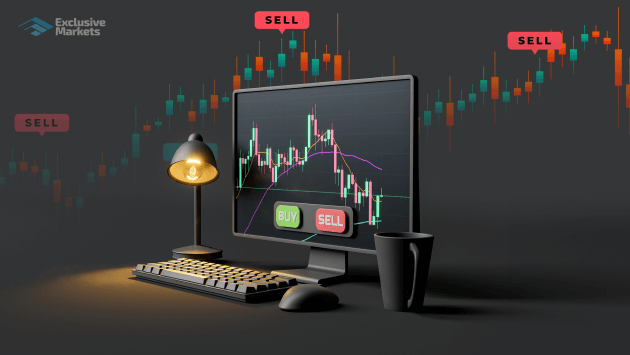
Forex swing trading signals are indications that can help traders make informed decisions about when to enter or exit a trade. These signals often stem from technical analysis indicators, chart patterns, and market sentiment analysis. Traders rely on these signals to identify potential profitable trades based on price action, helping them to more effectively time their trades. Swing trading signals can be either manual or automated, depending on the trader’s preferences.
Types of Swing Trading Signals
There are various types of swing trading signals that traders can use, including:
- Technical Indicators: Tools like Moving Averages, Relative Strength Index (RSI), and MACD (Moving Average Convergence Divergence) can generate buy or sell signals based on market conditions.
- Chart Patterns: Patterns such as head and shoulders, flags, and triangles often indicate potential reversals or continuations, prompting traders to take action.
- Price Action Signals: Observing price movements and candlestick patterns can provide insights into market sentiment and potential future movements.
- Fundamental Analysis: Economic indicators, news events, and geopolitical developments can affect currency prices, creating swing trading opportunities.
How to Use Forex Swing Trading Signals Effectively
To successfully use forex swing trading signals, traders need to combine them with a well-structured trading plan. Here are several key steps to follow:
1. Develop a Trading Plan
Start by creating a comprehensive trading plan that outlines your trading strategy, risk tolerance, and goals. Your plan should state which signals you will use and how you will interpret them. This disciplined approach can help mitigate emotional decision-making during trading.
2. Choose the Right Indicators
Not all indicators are suitable for every strategy. Research and backtest different indicators to find the ones that work best for your trading style. Aim for a combination of indicators that complement each other, providing clearer signals and reducing false positives.

3. Confirm with Multiple Signals
Relying on a single signal can be risky. Instead, look for confirmation from multiple sources. For example, if a technical indicator suggests a buy signal, validate it with price action analysis or the presence of a favorable chart pattern.
4. Manage Your Risk
Implement sound risk management practices by setting stop-loss and take-profit levels. Never risk more than a small percentage of your trading capital on a single trade. This way, even if a few trades go against you, your overall portfolio remains intact.
5. Stay Informed
Keep up with economic news and events that may impact the forex market. Global events can cause sudden price swings, presenting both risks and opportunities. Being aware of upcoming reports such as employment figures or interest rate decisions can help you anticipate market movements.
Common Mistakes to Avoid
Despite the potential benefits of forex swing trading signals, traders often fall into certain traps. Here are common mistakes to avoid:
- Overtrading: FOMO (Fear of Missing Out) can lead traders to enter trades hastily without sufficient analysis. Stick to your trading plan and wait for the right signals.
- Ignoring Trends: Failing to recognize the overall market trend can result in ill-timed trades. Always assess the broader market direction before entering a swing trade.
- Neglecting Stop-Loss: Bypassing stop-loss orders exposes traders to significant losses. Always utilize stop-loss orders to protect your capital.
Conclusion
Forex swing trading signals are invaluable tools for capturing profitable movements in currency markets. By understanding how to interpret and utilize these signals effectively, traders can enhance their decision-making processes and improve their overall trading outcomes. With a disciplined approach, the use of multiple confirming signals, and strong risk management, traders can navigate the complexities of forex trading successfully. Remember, swing trading is not just about making money; it’s about making informed decisions that lead to consistent profits over time.